Need to get cigarette smell out of a room, car, or your clothes? Here is the honest headline: smoke odor is not “in the air” — it is a sticky residue (researchers call it thirdhand smoke) coating walls, fabric, and every surface in reach. That is why sprays and candles fail: they perfume the air while the residue keeps re-releasing odor for months. The fix is a sequence — ventilate, remove, wash, seal, then filter — and done in that order it genuinely works, from a smoky bedroom to a decade-of-smoke car.
This guide is the full playbook: the 24-hour quick wins, the deep-clean that actually removes residue (not masks it), fabric and car specifics, what air purifiers can and cannot do, the ozone-machine warning nobody gives loudly enough, and the prevention habits that keep a smoker’s home neutral-smelling going forward. 👉
- Why smoke smell survives everything you spray
- The 24-hour quick wins
- The deep clean, surface by surface
- Fabrics, curtains, and clothes
- The car protocol
- Purifiers, absorbers, and the ozone warning
- The nuclear option: seal and repaint
- Prevention: staying neutral-smelling
- Common mistakes (and fixes)
- Pro tips
- Real-world experiences
- FAQ
- The odor-removal checklist
Why smoke smell survives everything you spray
Cigarette smoke is an aerosol of tar particles and gases. The particles settle and STICK — to paint, glass, fabric fibers, dust, HVAC ducts — forming a yellowish film that keeps off-gassing odor molecules long after the last cigarette. Heat and humidity re-activate it, which is why a smoky room smells worse on damp days and why a car reeks after sitting in the sun.
- Air fresheners add molecules; they remove nothing. The residue outlasts every candle.
- One open window dilutes today’s smoke but leaves yesterday’s film untouched.
- Surface wiping with plain water smears the oily film around rather than lifting it.
The 24-hour quick wins
Before the deep clean, these moves cut perceived odor fast:
- Cross-ventilate hard. Two openings, a fan blowing OUT of one, several hours. Moving air out beats treating air in place.
- Strip and bag soft items — cushions, throws, curtains — into sealed bags headed for the wash. Fabric holds more odor per square foot than any wall.
- Bowl absorbers overnight: white vinegar in shallow bowls, and baking soda spread on carpets and upholstery (vacuum after 24h). Cheap, old-school, genuinely effective at absorbing airborne odor molecules.
- Empty and wash every ashtray — stale ash is a continuous odor source; a lidded smokeless ashtray prevents the re-accumulation.
- Swap HVAC filters — a smoke-saturated furnace filter re-distributes odor to every room on every cycle.
The deep clean, surface by surface
| Surface | What works | Notes |
|---|---|---|
| Painted walls & ceilings | Warm water + sugar soap/TSP-substitute, two passes | Ceilings hold the most film — smoke rises. Rinse pass after. |
| Windows & mirrors | Vinegar-water glass cleaner | The brown haze that comes off is your proof of concept |
| Hard floors | Standard degreasing cleaner | Include baseboards — dust film is odor film |
| Carpets | Baking soda overnight → vacuum → hot-water extraction | Rент a carpet machine for serious cases; padding may need pro help |
| Cabinets & inside drawers | Vinegar-water wipe | Smoke gets everywhere air goes — yes, inside too |
| Light fixtures & bulbs | Damp wipe (cool, unplugged) | Warm bulbs literally bake odor into the room |
Order of operations: top down (ceiling → walls → floors), one room at a time, ventilating while you work. Expect the wash water to turn tea-brown in a genuinely smoky room — that color is the odor leaving.
Fabrics, curtains, and clothes
- Machine-washables: normal cycle + a cup of white vinegar in the rinse; heavy cases get a second wash. Line-dry in fresh air when possible — UV and airflow finish the job.
- Delicates and “dry-clean-only” curtains: professional cleaning, and tell them it is smoke — they have stronger protocols.
- Non-washable upholstery: baking soda → vacuum → upholstery shampoo or steam. Persistent sofas may simply be saturated; foam holds smoke like a sponge.
- Clothes you are wearing out tonight: steam + fresh-air hang beats any spray. Sprays layer perfume over smoke; steam actually lifts it.
- Leather: dedicated leather cleaner then conditioner — vinegar dries it out.
The car protocol
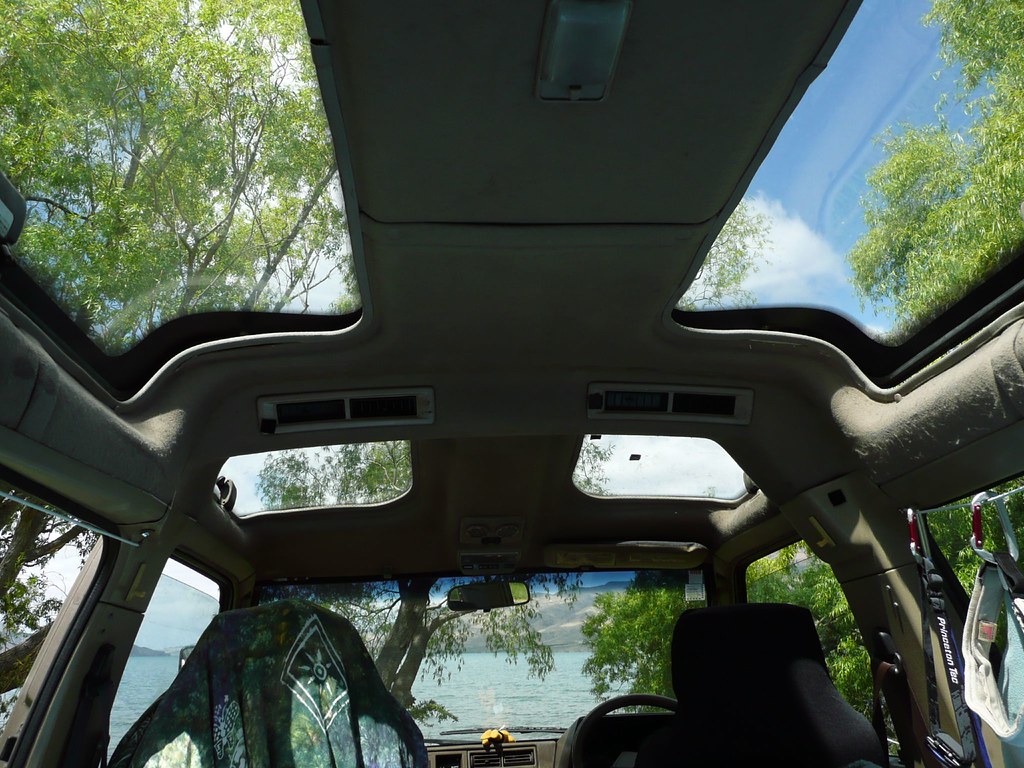
Cars are the hardest case: small volume, big fabric area, heat cycles baking residue in. The sequence:
- Empty everything; bin the ashtray contents; wash the ashtray insert or replace with a lidded cup-holder model.
- Cabin air filter FIRST — the most-skipped, highest-impact step. It is saturated; replace it.
- Vacuum thoroughly including seat rails and trunk; baking soda on fabric seats and carpet overnight, vacuum again.
- Wipe every hard surface (dash, doors, headliner LIGHTLY — headliner glue is fragile) with interior cleaner.
- Steam or shampoo the seats; leather gets leather care.
- Finish with an activated-charcoal tub under a seat, windows cracked in the garage for a night.
Purifiers, absorbers, and the ozone warning
- ✅ HEPA + activated-carbon purifiers genuinely help: HEPA captures smoke particles, the carbon bed adsorbs odor gases. Run continuously during and after the deep clean, and expect to replace the carbon filter more often than the box claims in a smoker’s home. They MAINTAIN a cleaned room; they cannot clean a dirty one alone.
- ✅ Passive absorbers — activated charcoal tubs, odor-absorbing gels — quietly eat odor molecules in closets, cars, and small rooms. Cheap, slow, real.
- ❌ Ionizers marketed for smoke mostly drop particles onto surfaces (where they continue smelling) and some produce ozone as a side effect.
- ⚠️ Ozone generators: the “shock treatment” rental works by flooding the space with ozone — a lung irritant that is genuinely hazardous to people and pets. If used at all: unoccupied space only, professional operation, hours of ventilation before re-entry, plants out. Never run one “while you are home.” For most rooms, the cleaning sequence above makes ozone unnecessary.
🌀 The odor-removal toolkit
- ✅ HEPA + carbon air purifiers: the MOOKA ›
- ✅ Activated-charcoal absorbers: charcoal odor bags ›
- ✅ Wall-washing cleaners ›
- ✅ Cabin air filters ›
See the charcoal odor bags on Amazon ›
As an Amazon Associate we may earn from qualifying purchases.
The nuclear option: seal and repaint
Years-deep saturation (buying a smoker’s house, inheriting a smoking room) sometimes defeats washing — the residue has penetrated the paint itself. The professional answer: wash as above, then prime every wall and ceiling with a stain-and-odor-blocking primer (shellac- or oil-based blockers, not plain latex primer), then repaint. It physically entombs what washing cannot lift. Pair with new carpet padding in extreme cases. Expensive, decisive, and the standard landlord playbook for smoked-in units.
Prevention: staying neutral-smelling
For the adult smoker who wants a home that does not smell like one:
- One smoking zone, ideally outside — concentrated odor is manageable odor; whole-house odor is not.
- Lidded ashtray, emptied daily — the single biggest ongoing-source fix (picks here).
- Purifier running in the smoking zone, carbon filter dated and swapped.
- Fabric minimalism in the zone: hard surfaces wipe clean; upholstery archives smoke.
- The RYO angle: loose tobacco sealed in jars keeps the supply itself from scenting drawers.
Common mistakes (and fixes)
- ❌ Perfume-first thinking. ✅ Candles and sprays mask for hours; residue emits for months. Clean first, scent last (or never).
- ❌ Skipping the ceiling. ✅ Smoke rises; the ceiling is often the largest reservoir in the room.
- ❌ Forgetting HVAC and cabin filters. ✅ A saturated filter re-smokes every room on every cycle. First swap, not last.
- ❌ Running an ozone machine while occupied. ✅ Genuinely hazardous. Cleaning sequence first; ozone only unoccupied and professionally, if ever.
- ❌ Painting over unwashed walls with regular paint. ✅ Odor bleeds straight through latex. Wash, block-prime, then paint.
Pro tips 💡
Real-world experiences
- The apartment-deposit save: a departing tenant washed walls with sugar soap, swapped the HVAC filter, ran baking soda on the carpet, and passed inspection — after two years of indoor smoking. The wash water “looked like coffee.”
- The used-car flip: a buyer got $900 off a “smoker’s car,” spent $60 and a weekend on the protocol (cabin filter first), and reports zero odor a year later. The seller had only ever sprayed freshener.
- The ozone cautionary: a renter ran a bargain ozone generator overnight WHILE sleeping in the studio, and spent two days with burning lungs. It also barely helped, because the walls had never been washed. Both lessons in one story.
FAQ
How do I get cigarette smell out of a room fast?
Cross-ventilate with a fan blowing out, strip washable fabrics, set vinegar bowls and carpet baking soda overnight, and swap the HVAC filter. That is the best 24 hours available — full removal needs the wall-washing deep clean.
Does cigarette smell ever go away on its own?
Very slowly and rarely completely — the residue keeps emitting until it is removed or sealed. Cleaning shortcuts months into a weekend.
Do air purifiers remove cigarette smell?
HEPA + activated-carbon units genuinely reduce airborne particles and odor gases, and maintain a cleaned room beautifully — but they cannot strip residue off walls. Purifier + cleaning, not purifier instead of cleaning.
Are ozone generators safe for smoke smell?
They work by making the air itself hazardous — never occupy the space during use, and treat them as a professional last resort. The wash-seal-repaint route achieves more, safely.
How do I get smoke smell out of a car?
Cabin air filter first, then vacuum, baking soda overnight, hard-surface wipe-down, seat shampoo, and a charcoal tub under the seat. The filter is the step everyone skips and the one that matters most.
What removes cigarette smell from walls?
Warm water with sugar soap or a TSP-substitute, two passes plus rinse, ceiling included. If odor persists after washing, block-prime and repaint.
The odor-removal checklist ✅
- ☐ Cross-ventilate; fan blowing out.
- ☐ HVAC / cabin filter swapped FIRST.
- ☐ Fabrics stripped, washed with vinegar rinse, sun-dried.
- ☐ Baking soda on carpets overnight; vacuum.
- ☐ Walls and ceiling washed top-down; white-cloth test to confirm.
- ☐ Purifier + charcoal absorbers deployed to maintain.
- ☐ Still smells? Block-primer + repaint.
- ☐ Prevention: outside zone, lidded ashtray, dated carbon filters.