Nicotine pouches vs snus — what is actually the difference? The one-sentence answer: snus contains real tobacco leaf; nicotine pouches contain extracted nicotine on a plant-fiber base with no leaf at all. Both sit under the upper lip, both are spit-free, both deliver nicotine through the mouth lining — but that single ingredient difference drives everything else: toxicant levels, flavor range, regulation, stains, and where each sits on the risk continuum. Neither is safe, both are addictive, and neither is sold on Amazon (which bans all nicotine sales).
This guide is the clean side-by-side for adults 21+: what each product actually is, the Swedish history that created the category, the FDA decisions that shaped the U.S. market (including the January 2025 ZYN authorizations), a full comparison table, the risk-continuum honesty, and who — if anyone — each product makes sense for. 👉
What snus is
Snus (rhymes with “loose”) is a Swedish smokeless tobacco: finely ground tobacco leaf, salt, and water, pasteurized with steam rather than fermented. That processing choice — codified in Swedish quality standards — is the category’s defining fact, because fermentation is what drives the formation of tobacco-specific nitrosamines (TSNAs), the main carcinogens in traditional chew and dip. Pasteurized snus carries dramatically lower TSNA levels than American-style smokeless.
Modern snus comes overwhelmingly in white portion pouches — small teabag-like sachets tucked under the upper lip for 20–60 minutes, no spitting required. Sweden’s decades of population data (lowest male smoking-related mortality in Europe alongside the highest snus use) are the backbone of every serious lower-risk argument in the smokeless world — our smokeless risk-and-benefit guide covers that evidence in depth.
What nicotine pouches are
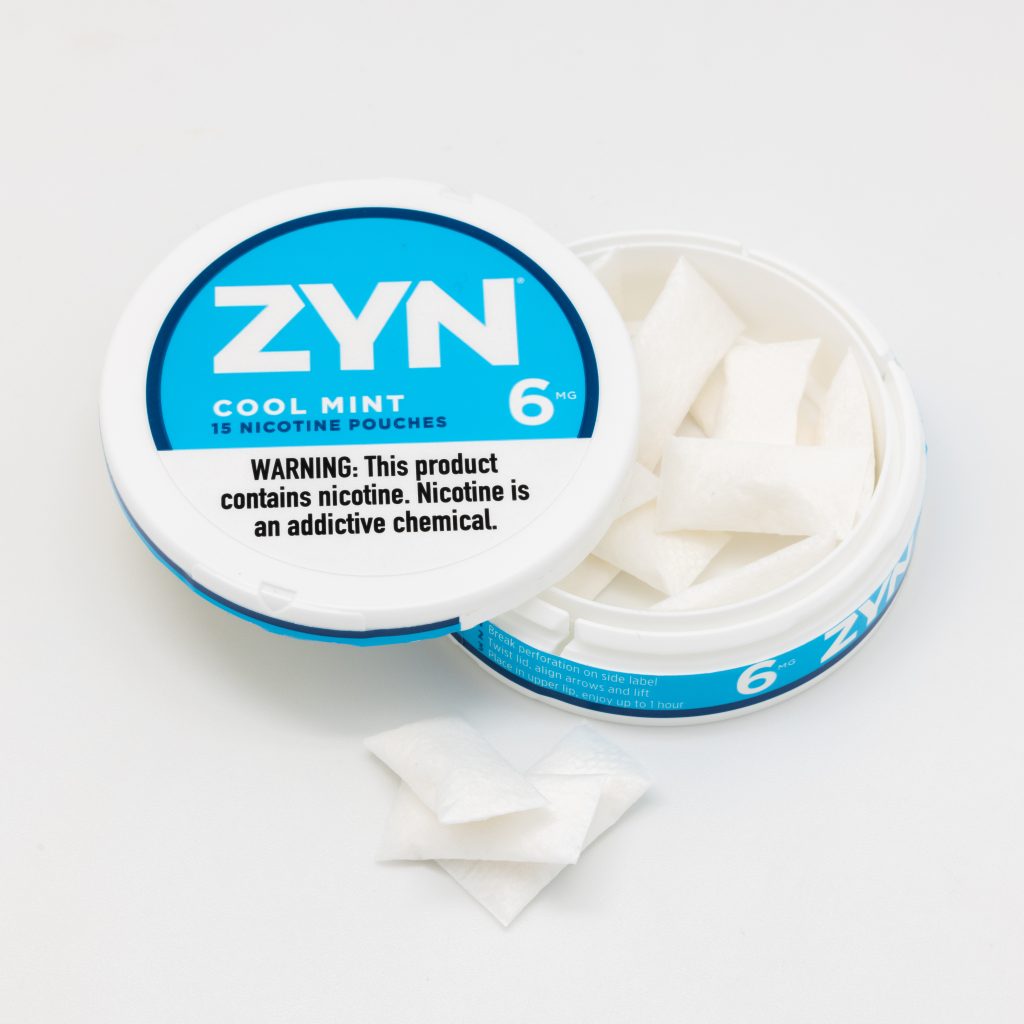
Nicotine pouches (ZYN being the household name) are the tobacco-leaf-free descendant: pharmaceutical-grade nicotine — extracted from tobacco or synthesized — carried on plant fibers with flavorings, sweeteners, and pH adjusters, in the same under-the-lip pouch format. No leaf means TSNA levels near zero and no tobacco taste unless added back as flavoring.
The category exploded in the U.S. through the 2020s precisely because it borrowed snus’s format while shedding tobacco’s baggage: white pouches that do not stain teeth, flavors from mint to coffee to citrus, and — critically — a regulatory pathway that several products successfully completed. They are, functionally, the most refined oral nicotine delivery yet sold. That refinement cuts both ways: cleaner toxicology, and an ease of use that makes heavy unconscious dosing genuinely easy.
The full comparison table
| Factor | Snus | Nicotine pouches |
|---|---|---|
| Contains tobacco leaf | ✅ Yes (pasteurized) | ❌ No |
| TSNA carcinogens | Low (vs chew/dip) | Near zero |
| Format | Pouches (some loose) | Pouches only |
| Spitting | No | No |
| Tooth staining | Possible (brown portions more) | Minimal |
| Flavors (U.S.) | Tobacco-forward, mint | Wide — mint, citrus, coffee, etc. |
| Typical strengths | ~8–20+ mg/portion ranges | 3 / 6 mg standard (stronger exist) |
| U.S. regulatory status | ✅ General Snus: first-ever FDA modified-risk orders (2019) | ✅ 20 ZYN products FDA-authorized (Jan 2025) |
| Population evidence | Decades of Swedish data | Young category — long-term data still accruing |
| Sold on Amazon | ❌ No — nicotine ban | ❌ No — same ban |
| Addictive | ✅ Fully | ✅ Fully |
Where each sits on the risk continuum
Using the same honest ladder as our smokeless guide — combustion at the worst end, nothing at the best:
- 🔴 Cigarettes — combustion, inhalation, the benchmark for harm
- 🟠 Fermented chew/dip — no smoke, high TSNAs
- 🟡 Snus — low TSNAs, strong real-world switching data
- 🟢 Nicotine pouches — near-zero TSNAs, youngest evidence base
- ✅ NRT — regulated cessation dosing, designed for tapering to zero
- 🏆 No nicotine — the only rung with zero risk
Two honesty notes on that ordering. First, “lower” never means “low enough to start” — for a non-user, every rung above the last is a pure loss. Second, pouches’ cleaner chemistry is genuinely promising and genuinely young: snus has fifty years of Swedish epidemiology behind its position; pouches have lab toxicology and early data. Cleaner ingredients almost certainly matter; confirmed long-term outcomes take decades to accumulate.
The regulatory picture (2026)
- 2019 — General Snus: the FDA’s first-ever modified risk orders allowed eight products to state that switching completely from cigarettes lowers risk of specific diseases. Landmark language, precisely worded, still the ceiling of legal claims.
- January 2025 — ZYN: the FDA authorized 20 ZYN pouch products (including flavors), citing evidence they may help adult smokers and smokeless users move to lower-toxicant products — the first pouch authorizations. Authorization = legal to market with the population balance judged favorable; it is not a safety endorsement or a cessation approval.
- The grey zone: beyond authorized products, many pouch brands sell while applications pend — the market is broader than the authorized list. Checking a product’s status in the FDA database takes a minute and separates reviewed from unreviewed products, the same verification habit our claim-audit guide teaches.
- Everywhere: 21+ to purchase; neither category ships via Amazon or general marketplaces.
Practical differences in daily use
- Nicotine feel: snus delivers a rounder, tobacco-flavored experience; pouches hit cleaner and often sharper, with pH tuning making even equal-mg products feel different. Cross-switchers should start LOW — label numbers do not translate 1:1 between categories.
- Discretion: both are invisible in use; pouches win on breath and stain.
- Gum health: both can irritate the placement spot; rotating placement and dentist honesty apply equally (the smokeless guide’s advice carries over wholesale).
- Availability: pouches now dominate U.S. convenience counters; genuine Swedish snus is specialist-shop and licensed-online territory.
- Cost: broadly comparable per tin; heavy pouch users often report faster consumption creep — the frictionless format again.
Who each makes sense for (and who neither does)
- ✅ Adult smoker who will not quit nicotine, wants off combustion: both categories are credible complete-switch destinations; pouches for the cleanest chemistry and flavor range, snus for the deepest evidence base and tobacco character. Complete switching is the entire case — dual use forfeits it.
- ✅ Adult dip/chew user: either is a large TSNA downgrade; snus is the nearer taste bridge.
- ❌ Anyone whose goal is quitting nicotine: neither is a cessation product. NRT and prescription routes are designed for the exit — our upcoming quit guide and 1-800-QUIT-NOW cover it free.
- ❌ Non-users, pregnant users, under-21: no version of this comparison applies. Zero rungs on the ladder beat every rung.
💊 The exit-ramp box (the only one Amazon can sell)
Since neither snus nor pouches ship from Amazon, the one relevant thing that does: FDA-approved quitting tools.
- ✅ Nicotine lozenges › — the closest format cousin, built for tapering
- ✅ Nicotine patches ›
- ✅ Nicotine gum ›
As an Amazon Associate we may earn from qualifying purchases. Talk to a doctor or pharmacist about the right plan.
Common mistakes (and fixes)
- ❌ Treating pouches as “basically NRT.” ✅ They are recreational nicotine, tuned for satisfaction, not approved for cessation. Different product, different purpose.
- ❌ Matching milligrams across categories. ✅ Delivery and pH differ; start low when switching formats and adjust from experience.
- ❌ Dual-using with cigarettes. ✅ Every lower-risk argument assumes COMPLETE switching. Half-measures keep the smoke risks and add a habit.
- ❌ Grazing pouches all day because they are tidy. ✅ Count your daily portions in week one — frictionless formats hide escalation.
- ❌ Buying “snus” from random marketplace sellers. ✅ Neither category legally sells on general marketplaces; licensed, age-verified retailers only.
Pro tips 💡
Real-world experiences
- The complete switcher: a pack-a-day smoker who moved to pouches, kept a written portion count, and stayed off cigarettes for two years — “the count is the whole trick; without it I’d be at twenty a day.”
- The taste bridge: a long-time dip user who found pouches “too clean” but settled into snus instantly — the tobacco character was the missing piece his switch needed.
- The double-habit warning: a smoker who added pouches “for the office” and six months later had both habits at full strength. Dual use is the category’s quiet failure mode.
FAQ
What is the difference between snus and nicotine pouches?
Snus contains pasteurized tobacco leaf; nicotine pouches contain extracted nicotine on plant fiber with no leaf. Same under-the-lip format, different contents — and downstream, different toxicant levels, flavors, and evidence bases.
Are nicotine pouches safer than snus?
Pouches carry near-zero TSNAs versus snus’s low-but-present levels, so their chemistry is cleaner — but snus has decades of population data behind it and pouches do not yet. Both are far below cigarettes; neither is safe; both are fully addictive.
Is ZYN FDA approved?
FDA-authorized — 20 ZYN products received marketing authorization in January 2025, a legal status based on population-level review. Not a safety endorsement and not a cessation approval.
Do snus or pouches help you quit smoking?
Neither is an approved quit method. Some adults have switched completely off cigarettes using them; the approved, doctor-recommended exit is NRT or prescription therapy plus support.
Why can’t I buy snus or ZYN on Amazon?
Amazon prohibits all nicotine sales. Both categories sell through licensed, age-verified (21+) retailers only — marketplace listings claiming otherwise deserve deep suspicion.
Which should a dip user choose?
Either is a major TSNA reduction; snus is the closer taste match, pouches the cleaner chemistry. Complete switching — not sampling alongside — is what captures the benefit.
Decision checklist ✅
- ☐ Not a nicotine user? Stop — neither product applies to you.
- ☐ Goal is quitting? NRT route, not this comparison.
- ☐ Switching from smoking or dip: choose complete switch, in writing.
- ☐ Verify your product in the FDA database.
- ☐ Start low when crossing categories; strengths do not translate.
- ☐ Count portions for two weeks; watch the creep.
- ☐ Licensed 21+ retailers only; 90-day ladder review on the calendar.