Adult tobacco-accessory equipment guide
Flying with Rolling Tobacco & RYO Gear: TSA Rules, Packing & Customs (2026)
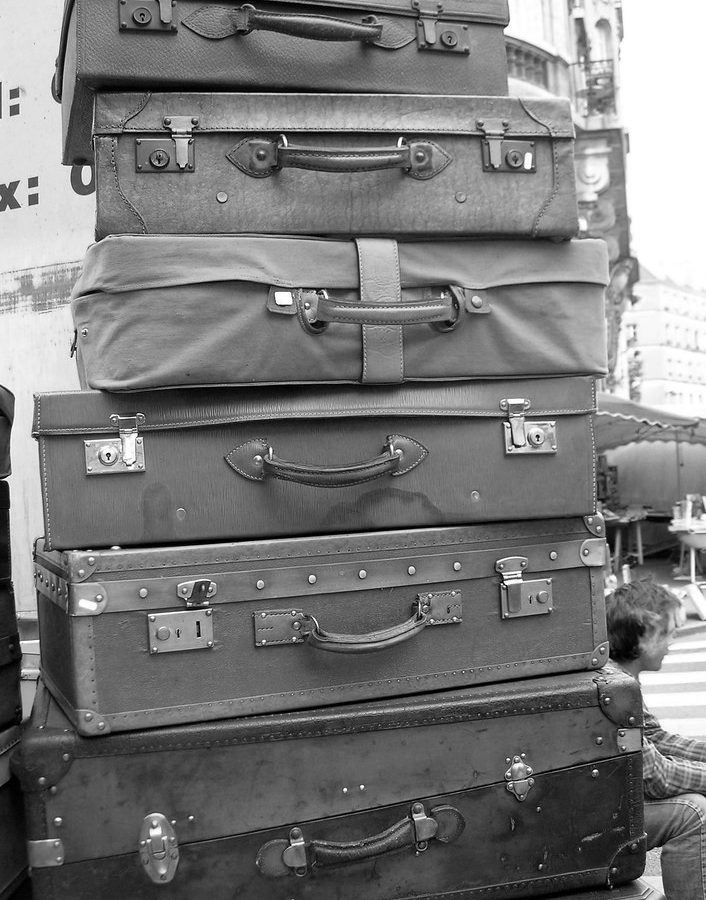
Flying with rolling tobacco or your RYO gear? The reassuring headline first: tobacco is allowed on U.S. flights — both carry-on and checked — and so is your rolling machine. TSA has no issue with loose tobacco, tubes, finished rolled cigarettes, or injectors in either bag. The complications live in three places: lighters (one soft-flame on your person; torches banned outright), tobacco freshness (checked-bag pressure and dryness are brutal on an open pouch), and international borders (duty-free limits and some genuinely strict countries).
This guide covers the exact U.S. rules, the smart way to pack each piece of gear, the international allowances framework, and the travel kit that keeps a roller self-sufficient anywhere. Written for adults 21+, current as of August 2026 — rules change, so we link the verification habit too. 👉
- The U.S. rules, item by item
- Lighters: the strict part
- Packing each piece of gear right
- What happens at screening
- International: allowances and the strict list
- The complete RYO travel kit
- Road trips: the easy alternative
- Common mistakes (and fixes)
- Pro tips
- Real-world experiences
- FAQ
- Pre-flight checklist
The U.S. rules, item by item
| Item | Carry-on | Checked | Notes |
|---|---|---|---|
| Loose/pipe tobacco | ✅ Yes | ✅ Yes | No federal quantity limit domestically |
| Rolled cigarettes & packs | ✅ Yes | ✅ Yes | Same — quantity unrestricted domestically |
| Empty filter tubes | ✅ Yes | ✅ Yes | Crush protection is YOUR problem — see packing |
| Rolling machine (manual) | ✅ Yes | ✅ Yes | Zero issues; it is a small gadget |
| Rolling machine (electric) | ✅ Yes | ✅ Yes | AC-powered units fine either way |
| Soft-flame lighter | ✅ ONE, on your person | ❌ Not loose in checked | Details below |
| Torch/jet lighter | ❌ Banned | ❌ Banned | Leave it home, period |
| Lighter fuel / butane cans | ❌ Banned | ❌ Banned | Buy fuel at the destination |
| Matches (safety) | ✅ One book, on person | ❌ No | Strike-anywhere matches banned entirely |
Age note: 21+ applies to purchase everywhere in the U.S.; carrying your own tobacco as an adult is unrestricted. Airlines ban smoking on board absolutely — this guide is about transporting gear, and lighting anything on an aircraft is a federal offense with zero gray area.
Lighters: the strict part
Compressed from our full lighters guide, the flight rules:
- ✅ One standard soft-flame lighter (disposable, refillable soft-flame, or classic wick) travels on your person or in carry-on.
- ❌ Torch/jet lighters are banned from U.S. flights entirely — cabin AND checked. Security bins eat hundreds daily; do not donate yours.
- ⚡ Arc/plasma lighters follow lithium-battery rules: carry-on only, never checked, and some airlines prohibit them — check yours before packing.
- Checked-bag lighters: technically permitted only in a DOT-approved case (rare); the practical rule is simply “lighter rides in your pocket.”
- Fuel of every kind stays home. Butane cans and lighter fluid are forbidden in both bags — plan to buy at the destination or bring a fresh disposable.
Packing each piece of gear right
- Tobacco: transfer to a small airtight jar or double-sealed bag WITH a humidity pack — checked-hold air is desert-dry and pressure crushes pouches into dust. Keep it clearly labeled/original-adjacent: unlabeled brown shreds invite the long conversation at screening.
- Tubes: the crush casualty of every RYO trip. Keep them in the retail box, wrap in a shirt, center of the bag — or better, bring fewer and buy a box at the destination (tubes are cheap everywhere; see the tubes guide).
- Machine: a manual travel injector beats hauling the electric for trips under two weeks — pocket-sized, no outlet, nothing to break. If the electric must travel, carry-on it padded; baggage handlers are not gentle with feed mechanisms.
- Finished sticks: a rigid cigarette case or the tube box, airtight-bagged. Roll only a few days’ supply; travel humidity swings age them fast.
- The lighter: pocket. One. Soft flame. Done.
What happens at screening
Realistic expectations: loose organic material occasionally triggers a bag check — a calm 2–3 minutes while an officer confirms your jar is pipe tobacco. Three habits make it painless: keep tobacco accessible (top of the bag, not buried), keep it identifiable (original pouch or a labeled jar beats a mystery baggie), and declare nothing preemptively — tobacco is unremarkable and legal; answer questions if asked, volunteer nothing theatrical. The machine reads as a small appliance on the scanner and rarely draws a glance.
International: allowances and the strict list
Crossing borders changes everything — duty-free allowances cap what enters tax-free, and a few countries restrict far harder:
| Framework | Typical allowance shape | What to do |
|---|---|---|
| Most destinations | ~200 cigarettes OR ~250g loose tobacco per adult, duty-free | Stay under; declare overages honestly |
| Returning to the U.S. | Generally 200 cigarettes + reasonable personal tobacco within your exemption | Declare on the CBP form; personal use amounts are routine |
| Strict jurisdictions | Some countries (famously Singapore; several others) tax or restrict ALL tobacco entry, allowance near zero | Check the destination’s customs site BEFORE packing any |
| Equipment (machines, tubes) | Almost universally unrestricted as personal effects | Pack normally; tubes may count as “tobacco products” in a few strict regimes — check with the tobacco rules |
The working rule: equipment travels free; tobacco travels on the destination’s terms. Sixty seconds on the destination customs page (search “[country] tobacco allowance customs”) prevents the two bad outcomes — surprise duty or confiscation. When in doubt, fly with the gear and buy tobacco locally at a licensed shop.
The complete RYO travel kit
The paperback-sized kit that keeps a roller self-sufficient for a week:
- Manual travel injector — the anchor (picks)
- Small airtight jar with a week of tobacco + humidity pack
- One 200-box of king tubes, retail box intact for crush protection
- Foldable pocket tray — hotel desks thank you (tray guide)
- Rigid case for finished sticks + pocket ashtray pouch (ashtray guide) — leave no trace
- One disposable lighter in the pocket, surrenderable without grief
🧭 Build the travel kit
- ✅ Travel manual injectors ›
- ✅ Small airtight jars ›
- ✅ Foldable travel trays ›
- ✅ Pocket ashtray pouches ›
As an Amazon Associate we may earn from qualifying purchases.
Road trips: the easy alternative
Driving erases nearly every rule above: torches ride along, fuel cans ride along, quantity is your trunk’s business (within personal-use reason — commercial quantities crossing state lines invite tax questions), and the electric machine plugs in at the motel. Two habits still matter: the hot-car rule (no lighters or butane on a summer dashboard — the #1 lighter accident, per the lighters guide) and a lidded car ashtray for the console. Otherwise, pack the home kit and drive.
Common mistakes (and fixes)
- ❌ The torch in the carry-on. ✅ Banned both bags. It WILL be taken. Soft flame or arc (carry-on) only.
- ❌ Butane can “just in checked.” ✅ Also banned. Destination purchase.
- ❌ Open pouch straight into checked luggage. ✅ Arrives as crushed dust. Jar + humidity pack, always.
- ❌ Landing in a strict country with a pound of tobacco. ✅ Sixty seconds on the customs page first; gear yes, tobacco on their terms.
- ❌ Hauling the electric for a weekend. ✅ The $8 travel manual exists precisely for this.
- ❌ Rolling a month’s supply for a week’s trip. ✅ Sticks age fast in transit; roll days, not weeks.
Pro tips 💡
Real-world experiences
- The torch donor: lost a $30 jet lighter at security despite “it’s in checked!” protests — the ban covers both bags, as the officer patiently explained. Flies with a $2 disposable now.
- The dust arrival: a half-pound pouch, loose in checked luggage, arrived as crumbs and flakes after two flights. One $8 jar with a humidity pack later, the return leg arrived perfect.
- The strict-country save: a traveler bound for a zero-allowance jurisdiction checked customs the night before, left the tobacco home, packed only gear, and bought locally on arrival — “the sixty seconds that saved the whole trip.”
FAQ
Can you bring rolling tobacco on a plane?
Yes — carry-on and checked, with no federal quantity limit on U.S. domestic flights. Jar it airtight so it arrives fresh, and check destination customs for international trips.
Can I bring my cigarette rolling machine on a plane?
Yes, manual or electric, either bag. TSA treats it as a small gadget. Carry-on padding is wise for electrics; a travel manual is wiser for short trips.
What lighters are allowed on flights?
One soft-flame lighter on your person. Torch/jet lighters are banned entirely; arc lighters are carry-on only under battery rules; all fuel is banned. Full details in the lighters guide.
How much tobacco can I take internationally?
Most destinations allow roughly 200 cigarettes or ~250g of tobacco duty-free per adult, but allowances vary and a few countries restrict almost everything — always check the destination customs page.
Will loose tobacco cause problems at TSA?
Rarely more than a brief bag check. Keep it accessible, identifiable, and labeled, and screening stays boring.
Can I smoke or roll on the plane?
Absolutely not — smoking aboard is a federal offense, and rolling at your seat, while not technically illegal, is a fast way to meet a flight attendant. Gear stays packed until landing.
Pre-flight checklist ✅
- ☐ Confirm 21+; check TSA pages the week of travel.
- ☐ ONE soft-flame lighter, pocket. Torch and fuel stay home.
- ☐ Tobacco jarred airtight with a humidity pack, labeled, accessible.
- ☐ Tubes in retail box, padded — or buy at destination.
- ☐ Travel manual injector packed; electric stays home under two weeks.
- ☐ International? Destination customs page read; allowance respected.
- ☐ Pocket ashtray in the kit — leave no trace anywhere you land.