Adult tobacco-accessory equipment guide
Cigarette Rolling Machines and Rolling Your Own Cigarettes: The Complete Starter Guide
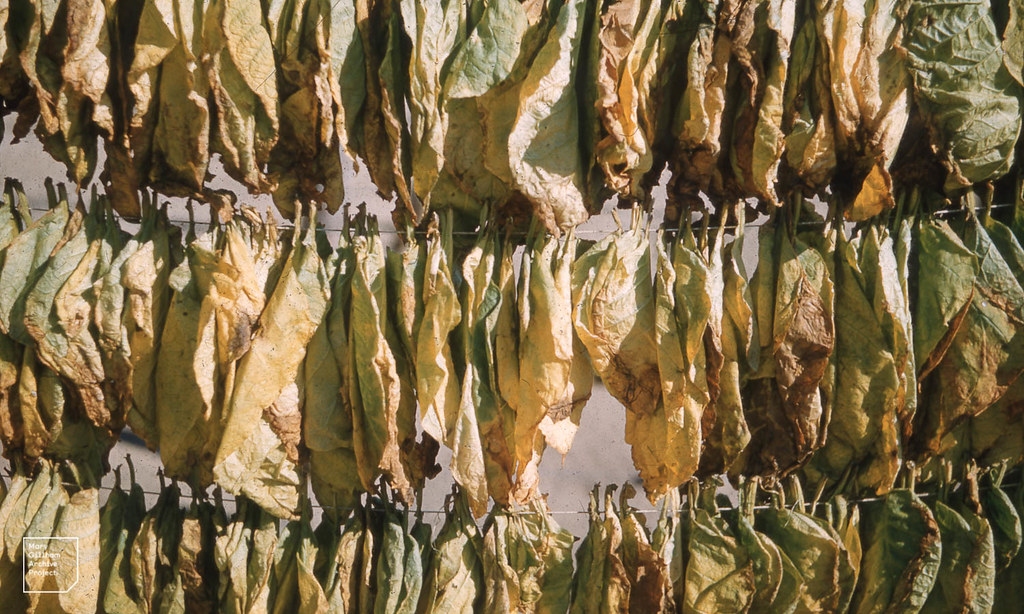
Thinking about rolling your own cigarettes? The appeal is simple math: adults who switch from packs to roll-your-own (RYO) typically cut their per-stick cost by half or more, and they control exactly what goes into each one. The catch is equally simple: you need the right equipment, a small learning curve, and honest expectations — because rolling your own is not a health improvement, just a cost and control decision.
This is the complete starting guide. We cover the three equipment routes (hand rolling, roller machines, and injectors), the real cost math with tables, a step-by-step first session, the supplies worth buying, and the beginner traps that waste tobacco. By the end you will know exactly which setup fits you. 👉
Why adults roll their own
Three honest reasons dominate, in this order:
- 💰 Cost. Pack prices keep climbing (state taxes especially), while loose tobacco plus tubes costs a fraction per stick. Heavy smokers save the most — which is its own uncomfortable truth worth sitting with.
- 🎛️ Control. You choose the tobacco blend, the tube (filtered, king, 100mm), and the fill density. No surprises, no reformulations.
- 📦 Supply independence. A pouch of tobacco and a box of tubes on the shelf beats a nightly run to the gas station.
And the reason that does not belong on the list: health. RYO cigarettes burn the same way factory ones do. Some studies suggest RYO smokers fare no better — occasionally worse, since unfiltered hand-rolls and dense packing are common. If health is your motivation, the honest answer is quitting, not equipment. We say this plainly because trust matters more to us than a sale.
The three equipment routes
Route 1: Pure hand rolling (papers)
Papers, a pinch of tobacco, and your fingers. Cheapest possible entry (a few dollars), infinitely portable, and genuinely a skill — expect ugly, loose cigarettes for your first week. No filter unless you add tips manually. Best for: occasional smokers, patient learners, and anyone who enjoys craft for its own sake.
Route 2: Roller machines (mat rollers)
A small hand-held device with a rolling mat or apron. Load tobacco, place a paper, roll the mechanism closed — out comes a uniform cigarette. Five-dollar tool, five-minute learning curve, consistent results. Still paper-based (add filter tips separately). Best for: light smokers who want consistency without the injector commitment.
Route 3: Injectors + filtered tubes (the main event)
This is what most committed RYO users land on, and it is the category this site specializes in. An injector packs tobacco into a pre-made filtered tube — the result looks and handles exactly like a factory cigarette. Manual injectors cost $5–15 and fill one tube per crank; electric injectors ($30–150+) motorize the whole cycle and turn a carton’s worth of tubes into a 20-minute batch job. Best for: pack-a-day smokers doing the cost math, households rolling in volume, and anyone who wants factory-style results.
Route comparison table
| Factor | Hand rolling | Mat roller | Manual injector | Electric injector |
|---|---|---|---|---|
| Startup cost | $3–10 | $5–15 | $5–20 | $30–150+ |
| Time per stick | 1–2 min (skilled) | ~30 sec | ~20 sec | Seconds |
| Learning curve | Steep | Easy | Easy | Easiest |
| Filter included | ❌ Add tips | ❌ Add tips | ✅ In the tube | ✅ In the tube |
| Factory-like result | ❌ | Partial | ✅ | ✅ |
| Batch volume | Painful | Tedious | OK | ✅ Built for it |
| Maintenance | None | Wipe the mat | Light | Regular — guide |
Not sure where you fall? Our machine match quiz sorts it in six questions; the manual vs electric guide goes deeper on the injector decision.
The real cost math
Illustrative numbers (your state taxes will move them — run your own figures in our cost calculator):
| Item | Packs | RYO (electric injector) |
|---|---|---|
| 20 cigarettes | $8–15 per pack | Tobacco ~$1.50–3.00 + tubes ~$0.50 |
| Per-stick cost | $0.40–0.75 | $0.10–0.18 |
| Pack-a-day, per year | $2,900–5,500 | $750–1,300 + equipment |
| Equipment (year one) | $0 | $40–160 incl. accessories |
Even after equipment and the occasional replacement spoon, committed RYO users typically land at 50–70% below pack spending. That is the entire economic case — and it only works if the machine keeps working, which is a maintenance story, not a luck story.
⚡ The centerpiece: an electric injector machine
If you roll more than a few per day, the electric injector is the tool that makes the whole routine practical.
| Type | Electric cigarette injector |
|---|---|
| Tube sizes | King size; many models also 100mm — verify in the manual |
| Speed | Seconds per tube once loaded |
| Care | Brush the feed slot after each session — full maintenance guide |
- ✅ Motorized, consistent fills — no hand-crank fatigue
- ✅ Replacement spoons and parts widely available
- ✅ Compare picks in our best electric machines guide
As an Amazon Associate, ElectricCigaretteMachines.com may earn from qualifying purchases.
What you need to start
- The machine — electric injector for volume, manual for backup or trial.
- Filtered tubes — king size is the universal starting point; confirm 100mm support before buying those. Details in the tube compatibility checker.
- Pipe/RYO tobacco — sold at licensed tobacconists to adults 21+. Cut and moisture matter more than brand marketing (next section).
- A rolling tray — turns cleanup from chore to nothing, and recovered shreds pay for the tray inside a month.
- Airtight storage — one container for tobacco, one for finished sticks.
- Cleaning kit — brush and pipe cleaners. Non-optional; see the maintenance guide.
📦 The complete starter setup
Four items and you are rolling — literally.
- ✅ King-size filtered tubes on Amazon › — buy a small box first to confirm fit
- ✅ Rolling tray on Amazon › — contains the mess, saves the shreds
- ✅ Airtight storage container on Amazon › — keeps finished sticks fresh
- ✅ Cleaning brush kit on Amazon › — the machine’s life insurance
As an Amazon Associate, ElectricCigaretteMachines.com may earn from qualifying purchases.
Your first session, step by step
- Fluff the tobacco. Break apart clumps on the tray; remove stems and hard bits — the #1 cause of first-day jams.
- Moisture check. Squeeze a pinch: it should spring back slowly. Bone-dry crumbles and fills loose; damp mats and jams. Follow the manufacturer’s guidance either way.
- Load the hopper without cramming — level, not compressed.
- Mount a tube on the nozzle until seated snugly.
- Run the cycle — press (electric) or crank (manual) smoothly.
- Inspect the result. Loose at the tip? Density up a notch. Tearing? Density down, and check the jam tool’s tube checklist.
- Batch it. Once dialed in, run 10–20 and store airtight.
- Brush the feed slot. Thirty seconds now saves a jammed Saturday later.
Tobacco basics (equipment perspective)
We review machines, not tobacco brands — but the machine cares about two properties:
- Cut width. A medium shag-style cut feeds injectors best. Very fine cuts pack dense and overfill; chunky ribbon cuts bridge in the feed slot. If jams persist across cleanings, try a different cut before blaming the machine.
- Moisture. The single biggest variable in fill quality. Store tobacco airtight with the pouch sealed; if it dries out, follow the tobacco maker’s re-humidifying instructions (never improvise with water in the machine’s hopper).
Legal notes worth knowing
- Rolling for personal use is legal for adults across the U.S. — buying the equipment and tobacco requires being 21+.
- Selling or sharing commercially is not. Rolling sticks to sell — even casually — crosses into licensed-manufacturer territory with serious tax law attached. (This is also why commercial roll-your-own machine shops largely vanished after a 2012 federal law reclassified them.)
- State taxes differ on loose tobacco vs packs — it is exactly why the cost math favors RYO in most states, and why your local numbers may differ from our table.
Common mistakes (and fixes)
- ❌ Buying a giant tobacco bag before testing cut compatibility. ✅ Start with the smallest pouch; scale after your machine approves.
- ❌ Cramming the hopper. ✅ Level loads feed evenly; compression starts jams.
- ❌ Wrong tube size. ✅ A king-size machine will not fill 100mm properly (and vice versa). Verify in the manual first.
- ❌ Skipping the tray. ✅ The mess is real, and swept-up shreds are money.
- ❌ Never cleaning. ✅ The whole reliability story is maintenance. Thirty-second brush, every session.
- ❌ Rolling stronger sticks “because they are cheap now.” ✅ Watch that consumption creep — cheaper per stick has a way of becoming more sticks.
Pro tips 💡
Real-world experiences
- The spreadsheet convert: a pack-a-day smoker who tracked 90 days of RYO spending and posted the math: 62% saved, machine paid for itself in three weeks. The most repeated pattern in RYO communities.
- The jam-cursed beginner: blamed two “defective” machines before someone asked about his tobacco — bone-dry bargain shag. New pouch, zero jams. The machine is innocent more often than not.
- The creeper: noticed he was smoking a third more once sticks got cheap, set a weekly roll limit, and stuck to batch counts. Worth copying before it is needed.
FAQ
Is rolling your own cheaper than buying packs?
Almost always — typically 50–70% less per stick once equipment is paid off. High-tax states see the biggest gap. Run your numbers in the cost calculator.
Is RYO safer than factory cigarettes?
No. Same combustion, same smoke, same risks — sometimes worse with unfiltered hand-rolls. Cost and control are the only honest benefits.
Injector or roller — which should a beginner buy?
If you want factory-style filtered results and roll daily, an injector with tubes. If you smoke occasionally and want minimal spend, a mat roller. Six questions in the quiz settles it.
Do electric injectors jam a lot?
Maintained ones, no. Jams track three causes: dirty feed slot, wrong tube size, unsuitable tobacco cut or moisture. Our jam troubleshooting tool walks the diagnosis.
Can I sell cigarettes I roll?
No — selling puts you in licensed-manufacturer and tax territory with severe penalties. Personal use only.
What tube size should I start with?
King size. It is the universal standard with the widest machine compatibility and tube availability. Add 100mm later only if your machine explicitly supports it.
Starter checklist ✅
- ☐ Confirm 21+ and check local rules.
- ☐ Pick your route: injector for volume, roller for occasional use.
- ☐ Buy king-size tubes (small box first) and a small tobacco pouch.
- ☐ Add tray, airtight containers, and cleaning brush to the same order.
- ☐ First session: fluff, moisture-check, level load, single test stick.
- ☐ Dial density before batching; then batch weekly.
- ☐ Brush after every session; log cleanings in the tracker.
- ☐ Watch consumption creep — cheap sticks are still cigarettes.